

How Authentic Chikankari Kurtis Are Made | Chikankaar
How Authentic Chikankari Kurtis Are Made: Time, Craftsmanship & Art Behind Every Stitch
Introduction
Chikankari is not just embroidery—it is a centuries-old handcrafted art that represents patience, heritage, and skilled craftsmanship. At Chikankaar, every Chikankari kurti is created by experienced artisans from Lucknow, India, using traditional hand embroidery techniques that have been passed down through generations.
In this blog, we take you behind the scenes to explain how authentic Chikankari kurtis are made, how many days each kurti takes, and why true hand embroidery is worth the time and effort.
The Origin of Chikankari Embroidery
Chikankari embroidery originated in Lucknow, India, over 400 years ago during the Mughal era. Traditionally worn by royalty, this delicate white-on-white embroidery has survived purely because of the dedication of skilled artisans.
Unlike machine embroidery, authentic Chikankari is done entirely by hand, making every kurti unique.


Step-by-Step Process: How a Chikankari Kurti Is Made
1. Fabric Selection (1 Day)
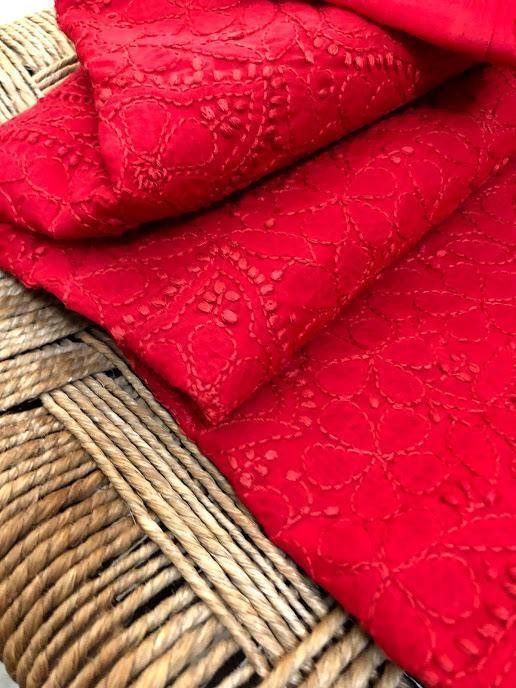
The process begins with selecting high-quality fabrics that are suitable for hand embroidery, such as:
-
Cotton
-
Mulmul
-
Rayon
-
Georgette
These fabrics are breathable, lightweight, and ideal for everyday wear, especially in warmer climates like the United States.


2. Design Tracing on Fabric (1 Day)
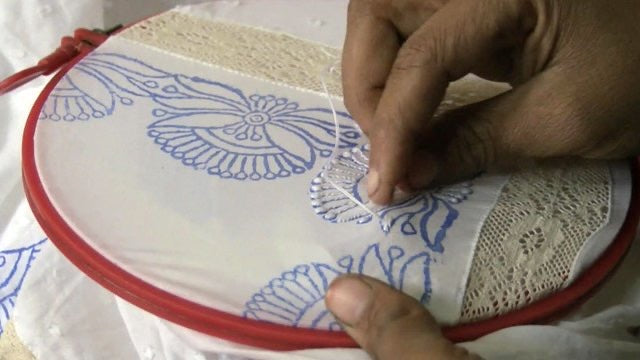
Once the fabric is ready, traditional designs are traced onto it using hand-carved wooden blocks and washable ink. This step defines where each stitch will be embroidered and requires accuracy and experience.

3. Hand Embroidery by Skilled Artisans (7–15 Days)
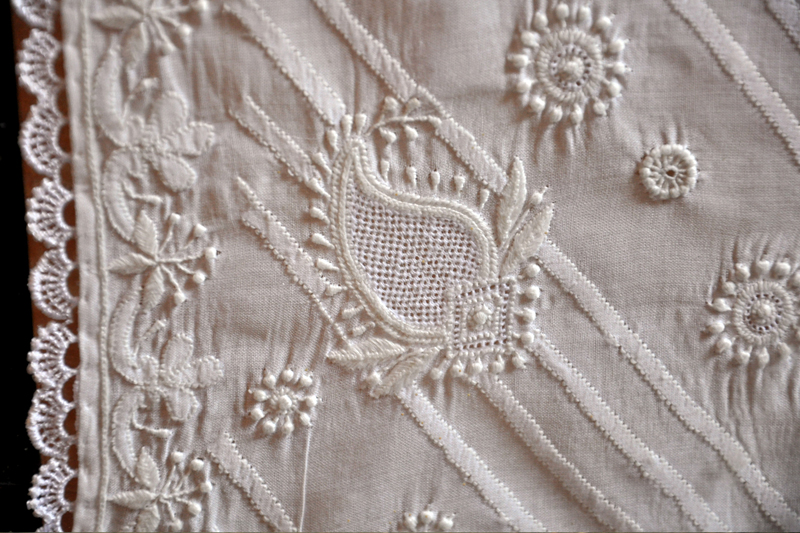
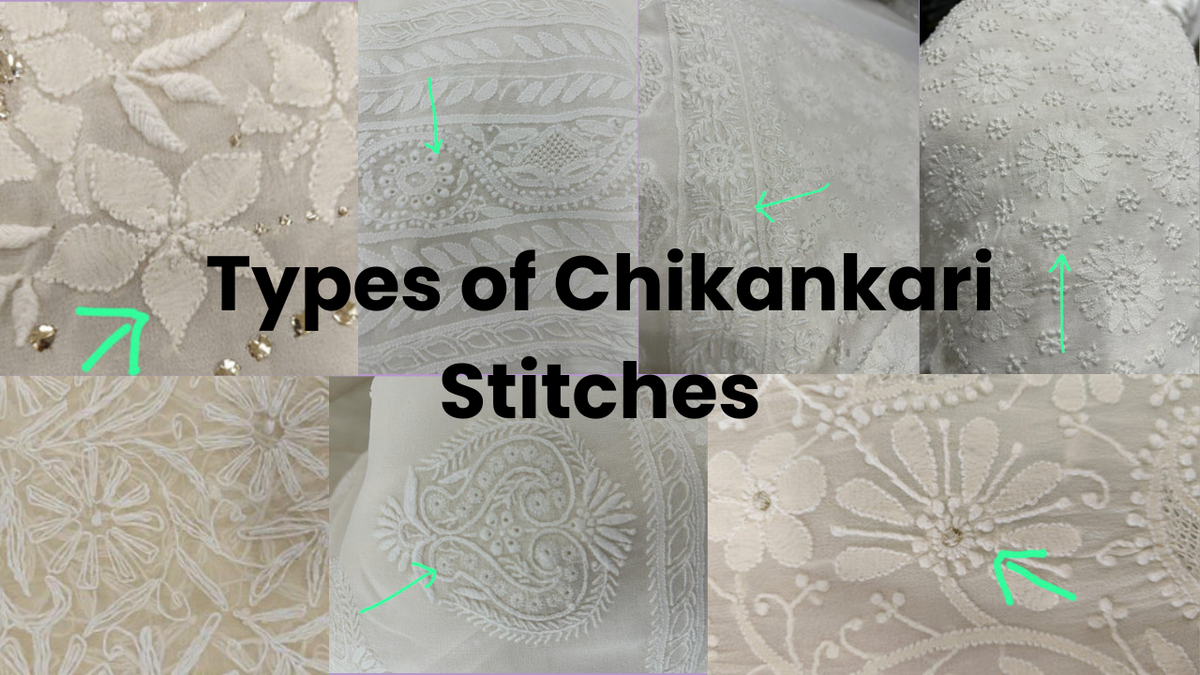
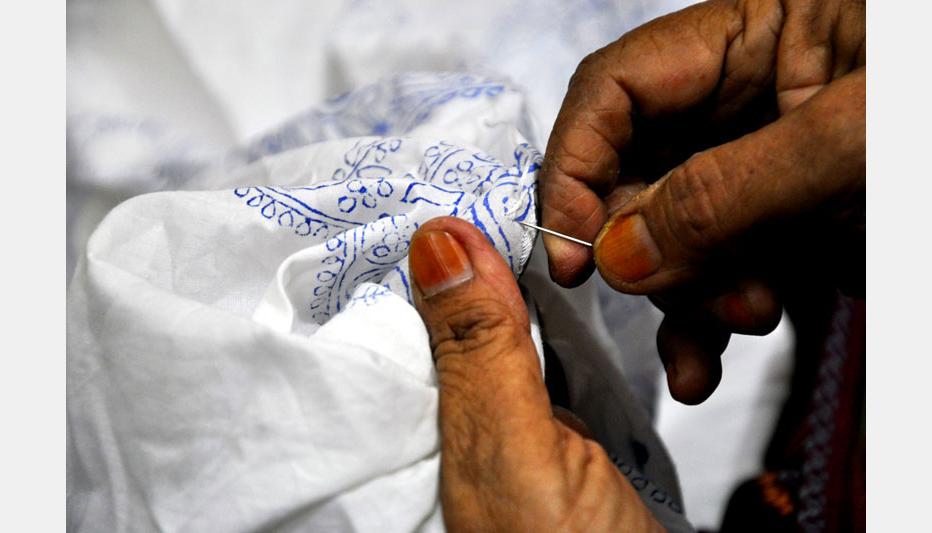
This is the most important and time-consuming stage. Skilled artisans carefully hand-embroider the fabric using traditional stitches such as:
-
Tepchi
-
Bakhiya (Shadow Work)
-
Phanda
-
Murri
-
Keel Kangan
-
Jaali (Net Stitch)
Artisans typically work 6–8 hours a day, ensuring precision and consistency.
Time required:
-
Light embroidery: 7–8 days
-
Heavy embroidery: 12–15 days

4. Washing & Finishing (2–3 Days)
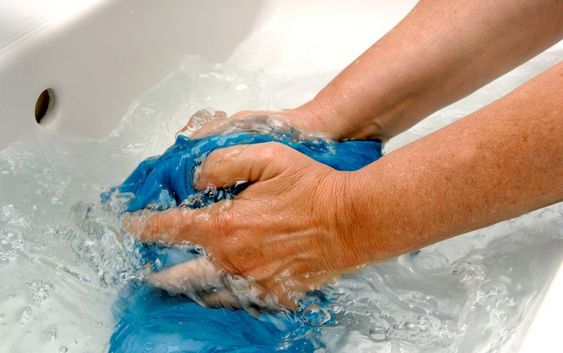
After embroidery, the kurti is gently washed to remove tracing ink and soften the fabric. Final finishing includes trimming loose threads, ironing, and quality inspection.
How Many Days Does One Chikankari Kurti Take?
| Process Stage | Time Required |
|---|---|
| Fabric selection | 1 day |
| Design tracing | 1 day |
| Hand embroidery | 7–15 days |
| Washing & finishing | 2–3 days |
| Total time | 10–20 days per kurti |
Each kurti involves 100+ hours of manual effort, making it a true handcrafted garment.
Why Authentic Chikankari Kurtis Are Worth It
Choosing an authentic Chikankari kurti means supporting:
-
Genuine hand embroidery
-
Ethical artisan livelihoods
-
Sustainable slow fashion
-
One-of-a-kind craftsmanship
No two handcrafted Chikankari kurtis are exactly the same.


Chikankaar’s Commitment to Authentic Craftsmanship
At chikankaar.com, we work directly with skilled artisans from Lucknow to ensure:
-
Fair wages
-
Traditional hand embroidery techniques
-
Export-quality finishing
-
Authentic Indian Chikankari for global customers
Our mission is to preserve this heritage while delivering timeless elegance worldwide.
Final Thoughts
A Chikankari kurti is not made in a factory—it is crafted patiently by hand. When you wear Chikankari, you wear a story of tradition, skill, and dedication.
Explore our handcrafted collection at chikankaar.com and experience authentic Chikankari artistry.